←Back to morphs
Credits: Geckos Etc.
About
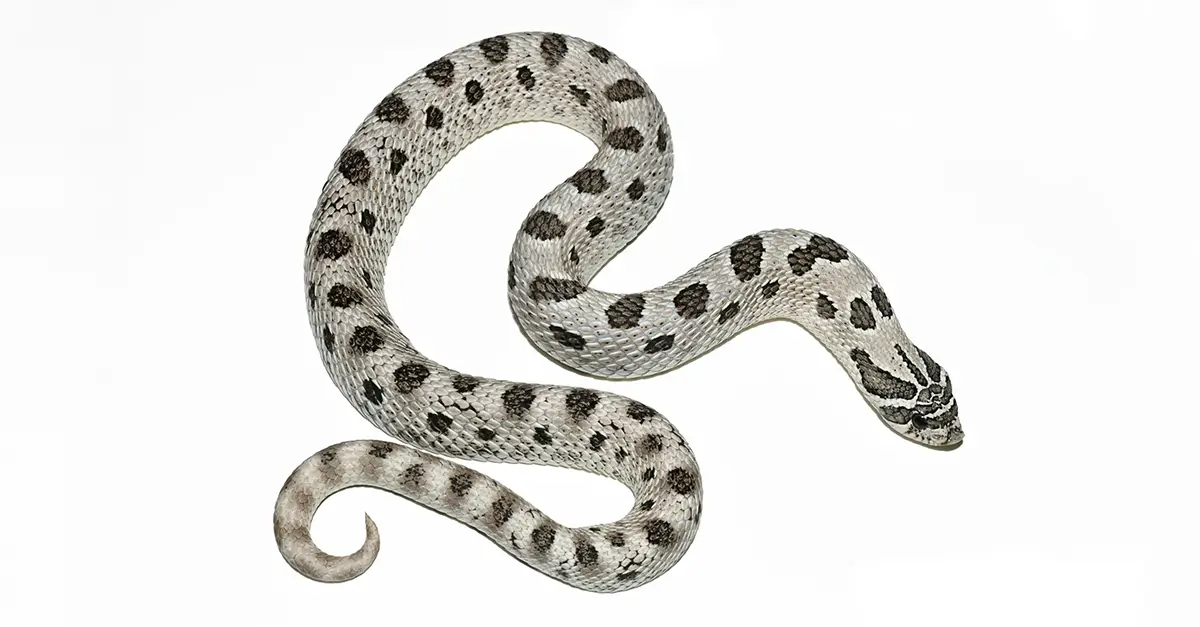
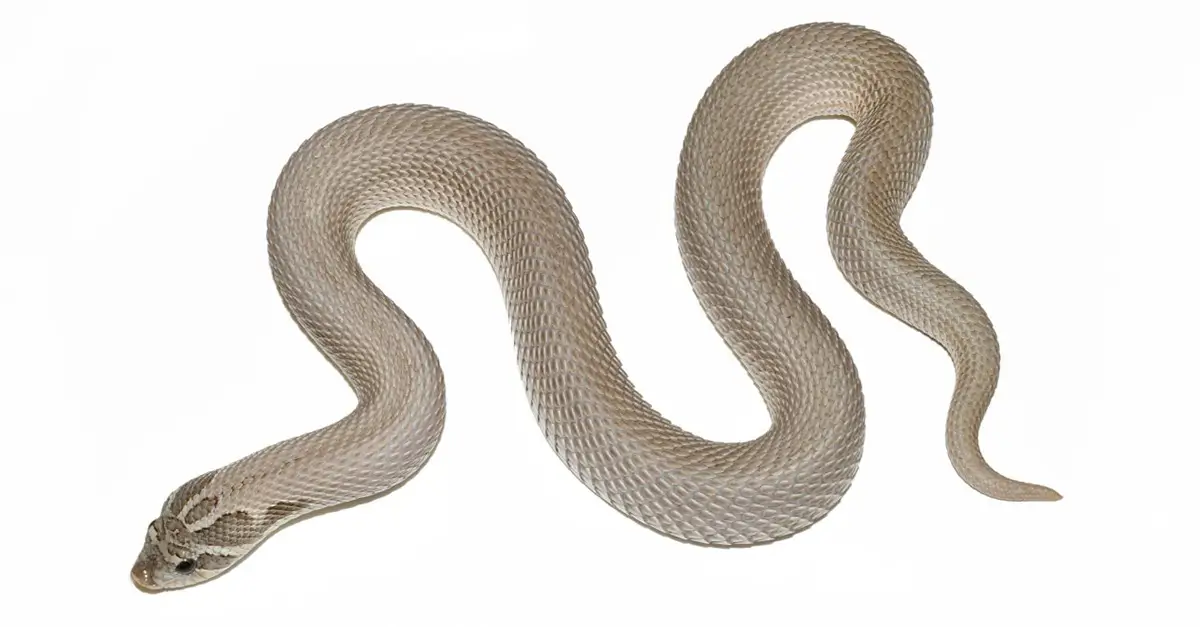
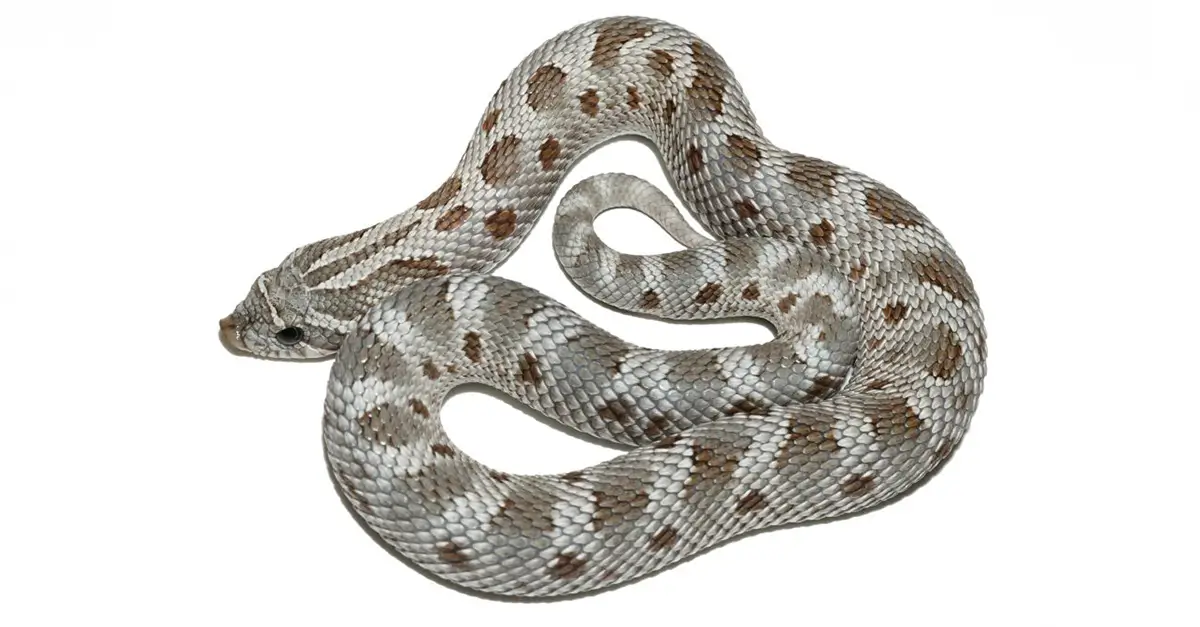
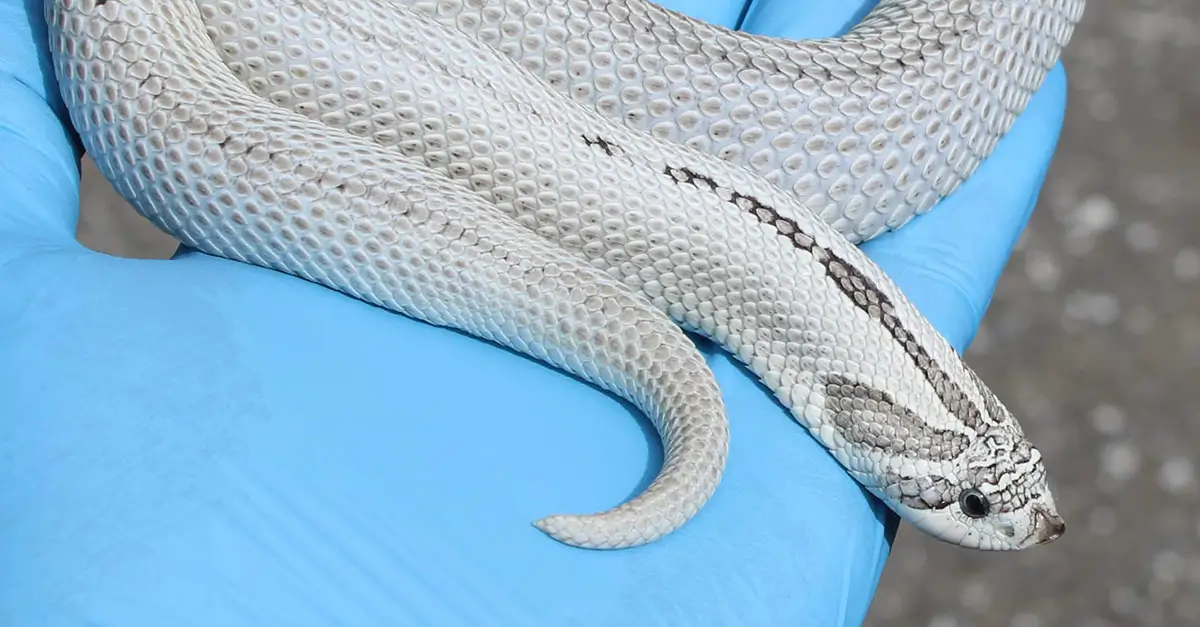
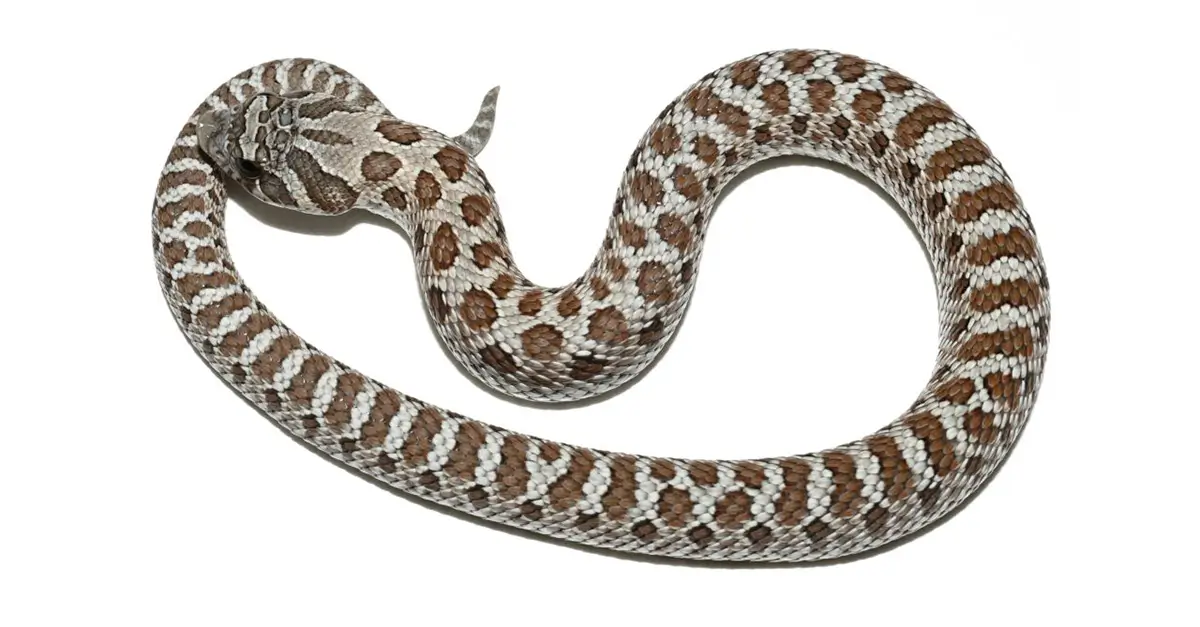
The Desert mutation is a recessive genetic trait in hognose snakes that primarily functions by suppressing warm pigments such as reds, oranges and yellows while leaving darker melanin largely unaffected. This reduction in warmth results in a high contrast appearance where the dorsal saddles and lateral blotches stand out sharply against a significantly lightened and desaturated background. From the moment they hatch, these individuals are easily identified by their distinct ashy grey or silvery blue hues. As the snake matures, the pattern edges often appear softer or more faded as they transition into a cool toned palette of sandy browns and creamy greys that mimic the muted aesthetic of desert stone. While some pale yellow or orange pigment may persist on the ventral scales, the overall saturation remains heavily diminished to ensure the snake retains its characteristic chilled and desaturated colour profile throughout its life.